Loading your next read…

Loading your next read…
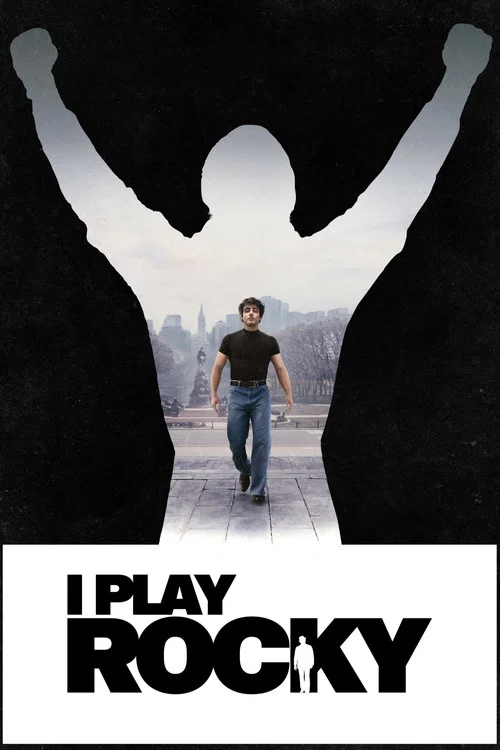
I Play Rocky has almost everything I want from a movie. It made me laugh, gave me characters to care about and made a story with a familiar destination feel genuinely involving.
All images and videos are owned by Eden Rock Media, Baha Productions, Fireside Films, FilmNation Entertainment, and International Media Funds Management
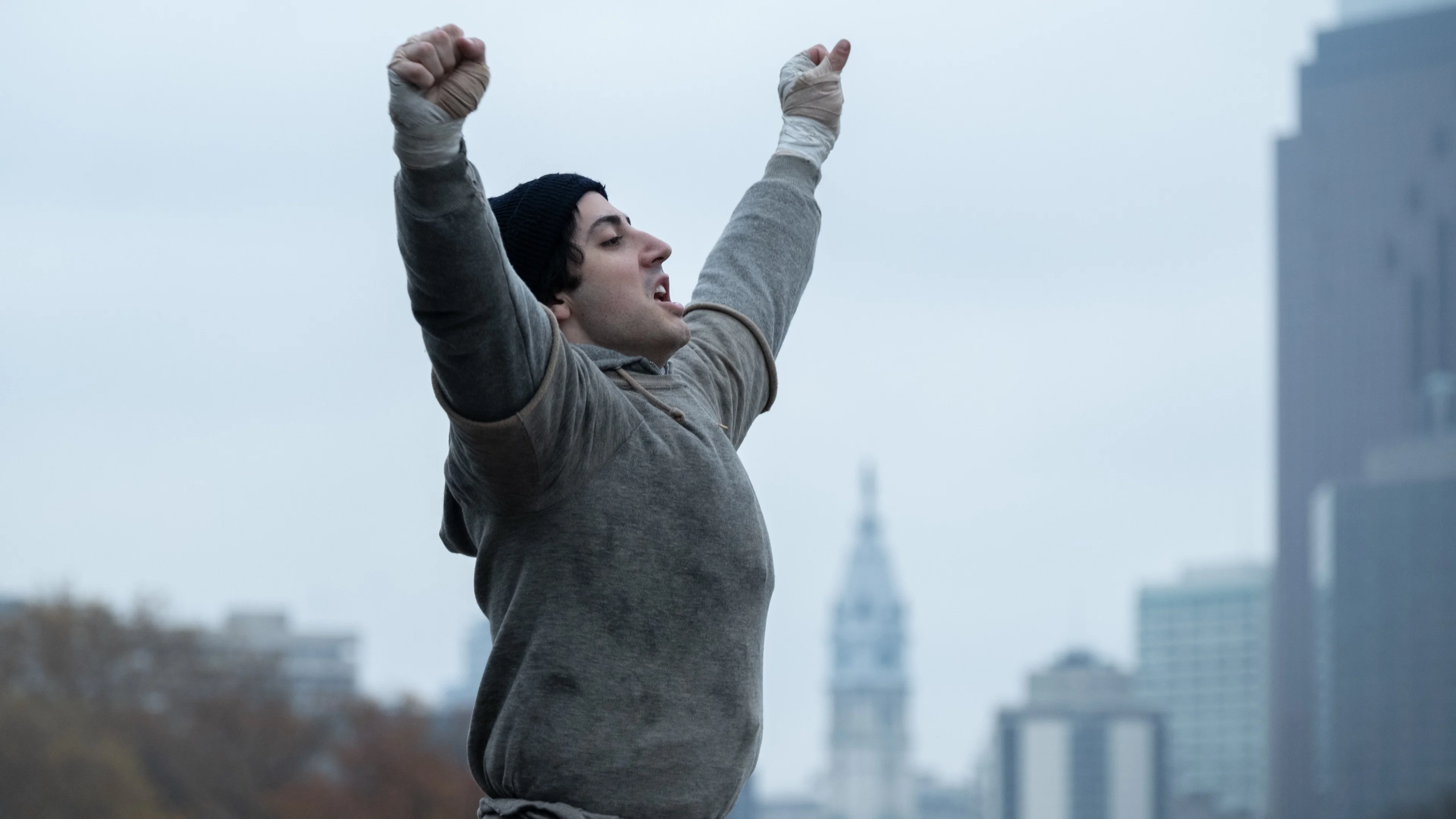
There were moments during I Play Rocky when I genuinely couldn’t tell whether I was watching a recreation or footage from Rocky itself. I turned to the person beside me because I needed to check. That’s how convincing these sequences are, and how completely this cast disappears into the people they’re playing.
But what makes I Play Rocky so good goes well beyond its ability to recreate another movie. It has the comedy, the drama, the emotion and the stakes to be an exceptional film in its own right. I walked out wanting to watch Rocky again, but also feeling that I’d just seen one of the best films of 2026.
Directed by Peter Farrelly and written by Peter Gamble, the film follows a struggling Sylvester Stallone, played by Anthony Ippolito, as he fights to get Rocky made with himself in the lead. People might believe in his script, but convincing them to believe in him is another battle entirely. There’s something almost unsettling about how good Ippolito is here. At a certain point, I stopped thinking about the actor playing Stallone. I was simply watching Stallone.
The resemblance is impressive, but the performance would not work nearly as well if that were all there was to it. Ippolito makes you believe in the person underneath the familiar voice and appearance. His determination matters because you understand how much rejection and frustration sit behind it.
The film introduces us to someone trying to survive while holding on to an ambition that other people don’t necessarily take seriously. He works whatever jobs he can, struggles financially and keeps trying to find an opportunity. When that opportunity finally comes, it arrives with the possibility of being pushed out of his own story. That makes his refusal to give up the role much more compelling than a simple display of stubbornness. He desperately needs the money, but he also knows what accepting it would mean.
Ippolito carries that conflict beautifully. You understand why everyone around him thinks he should take the offer, while desperately wanting him to hold his ground. It’s a phenomenal performance, and the recreated Rocky scenes make it even more impressive. He has to convince us as both the man trying to make the movie and the actor finding the character within it. I believed every second. The remarkable thing is that Ippolito isn’t doing all the heavy lifting alone.
AnnaSophia Robb plays Sasha, with P.J. Byrne and Toby Kebbell as producers Irwin Winkler and Robert Chartoff, and Tracy Letts as studio executive Sandy Maddox. It’s an outstanding ensemble, and everyone contributes to the feeling that you’re watching these people rather than a collection of actors playing recognizable figures.
Byrne and Kebbell are particularly important to how entertaining the filmmaking side of the story becomes. So much rests on conversations about scripts, money, casting and whether this project is worth taking a chance on. Those scenes could easily feel like the administrative steps between the more exciting moments. Here, they’re part of the appeal. The negotiations are funny, frustrating and increasingly absorbing because the people involved feel so convincing. Even when the situation becomes ridiculous, I remained invested in what everyone was trying to achieve. Then there’s Stephan James as Carl Weathers, who is so charismatic and so immediately convincing that I wanted considerably more of him. He captures the presence that makes Weathers such an enjoyable part of Rocky, and his scenes were a real highlight.
That’s probably my closest thing to a criticism. I would have loved the film to spend more time with him. But even as I say that, I recognize that this isn’t the story of how Carl Weathers became Apollo Creed. It’s Stallone’s story, and the film is right to keep its attention there. Wanting more of a supporting performance this good is hardly a major problem. One of the things that fascinated me most was watching how the film presents the process of getting Rocky off the ground.
There’s a sequence involving Stallone leaving a script on a secretary’s desk, among material intended for weekend reading, that really stayed with me. The possibility of somebody reading it, responding to his writing and helping open a door feels enormous. His future depends on someone being willing to give an unknown writer a chance.
Watching that unfold, I kept thinking about how difficult it is to imagine this particular chain of events happening in today’s Hollywood. The version of the industry presented here still has plenty of people saying no, but there’s something exciting about how much can change when the right person connects with a piece of writing. Of course, getting people interested in the script is only the beginning. The real problem is Stallone’s insistence that he must play the lead. The offers rise. The pressure increases. The money becomes harder and harder to refuse. His answer stays the same. “I play Rocky.”
That repetition could have become a gimmick, but it grows more powerful because the film has established what he stands to lose. From the outside, turning down that money looks absurd. From his perspective, selling the script without playing the part means surrendering the opportunity he wrote for himself.
The eventual plan to make the film for less than $1 million, allowing the producers to choose their lead, makes the whole situation feel even more precarious. They’re trying to find a way to make this work within restrictions that could just as easily bring everything down.
Knowing where the story is heading doesn’t remove the tension. I still found myself caught up in every obstacle, wanting someone to stop looking for reasons it couldn’t happen and let him make the movie. What surprised me was how consistently funny I Play Rocky is. The comedy isn’t simply there to give the audience a break between the dramatic scenes. It’s a major part of why the film works. The timing is excellent, the situations are entertaining, and the jokes actually land.
I saw it at a small industry screening with around 15 people, and there were plenty of laughs throughout. With people in the room who make films themselves, there was an added sense of recognition in the frustrations and absurdities being portrayed. But you don’t need to work in the industry to enjoy them. The personalities and conflicts are more than enough. Just as importantly, the humor never stops the emotional material from landing. One of the strongest sequences involves Stallone asking how he’s doing during the production of Rocky. While the producers offer reassurance, director John Avildsen, played by Jay Duplass, is more direct about what the film still needs. He talks about the kind of moment that makes a film truly special, something that lifts it beyond merely being good. So far, they haven’t found it.
What follows, built around Rocky’s angry outburst at his trainer, was a standout for me. Watching Stallone pour himself into that scene, it feels as though the character gives him somewhere to put all his own frustration. The rejection, the desperation and the feeling of never being given a proper opportunity come rushing out. That’s where the recreations become much more than an impressive technical achievement. You’re watching a familiar scene with a different understanding of the person performing it. Ippolito makes that connection feel incredibly raw. It also explains why the film left me so eager to revisit Rocky. I wasn’t simply reminded of moments I already liked. I came away with a newfound appreciation for what those moments mean within the story I Play Rocky tells.
And through all of this, the pacing is excellent. From Stallone’s early struggles to the negotiations and the production itself, the film keeps moving without losing the emotional thread. It flew by. I never felt it was dragging or waiting to reach the next important event. I Play Rocky has almost everything I want from a movie. It made me laugh, gave me characters to care about and made a story with a familiar destination feel genuinely involving.
Fans of Rocky will have plenty to appreciate, but I don’t think familiarity with the original is a requirement. Some people at my screening hadn’t seen it and still responded to this film. The struggle, the comedy and the determination at its center work without that existing attachment.
For me, the extraordinary recreations and Ippolito’s performance were the immediate standouts. What made the film stay with me was how well everything else came together around them. The entire cast is phenomenal, the emotional moments feel earned, and even my main complaint amounts to wishing I could spend more time with one of its supporting characters. I went in to watch a film about the making of Rocky. I came out wanting to watch Rocky again, with another film to put among my favorites of the year.
Rating: 9/10
I Play Rocky opens in Australian cinemas on January 1, 2027.