Loading your next read…

Loading your next read…
It is a charming, easy watch that reminded me how much fun Ben Stiller can be in a role like this.
All images and videos are owned by Universal Pictures and Paramount Pictures
I went into Focker-In-Law a little worried. It has been almost sixteen years since Little Fockers, and bringing a comedy series back after that long is always a gamble. Ben Stiller and Robert De Niro are older, the characters have moved into different stages of their lives, and I wasn’t sure whether that same chemistry would still be there. I’ve also become so used to associating Stiller with his directing and producing work on Severance, which I absolutely love, that I wondered how easily he would slip back into Greg Focker.
As it turns out, very easily. Stiller feels completely at home here, and Focker-In-Law is much funnier and more charming than I was expecting. There are moments where the comedy stretches believability a little too far, but I came out having had a really good time. For me, this is one of the better entries in the series.
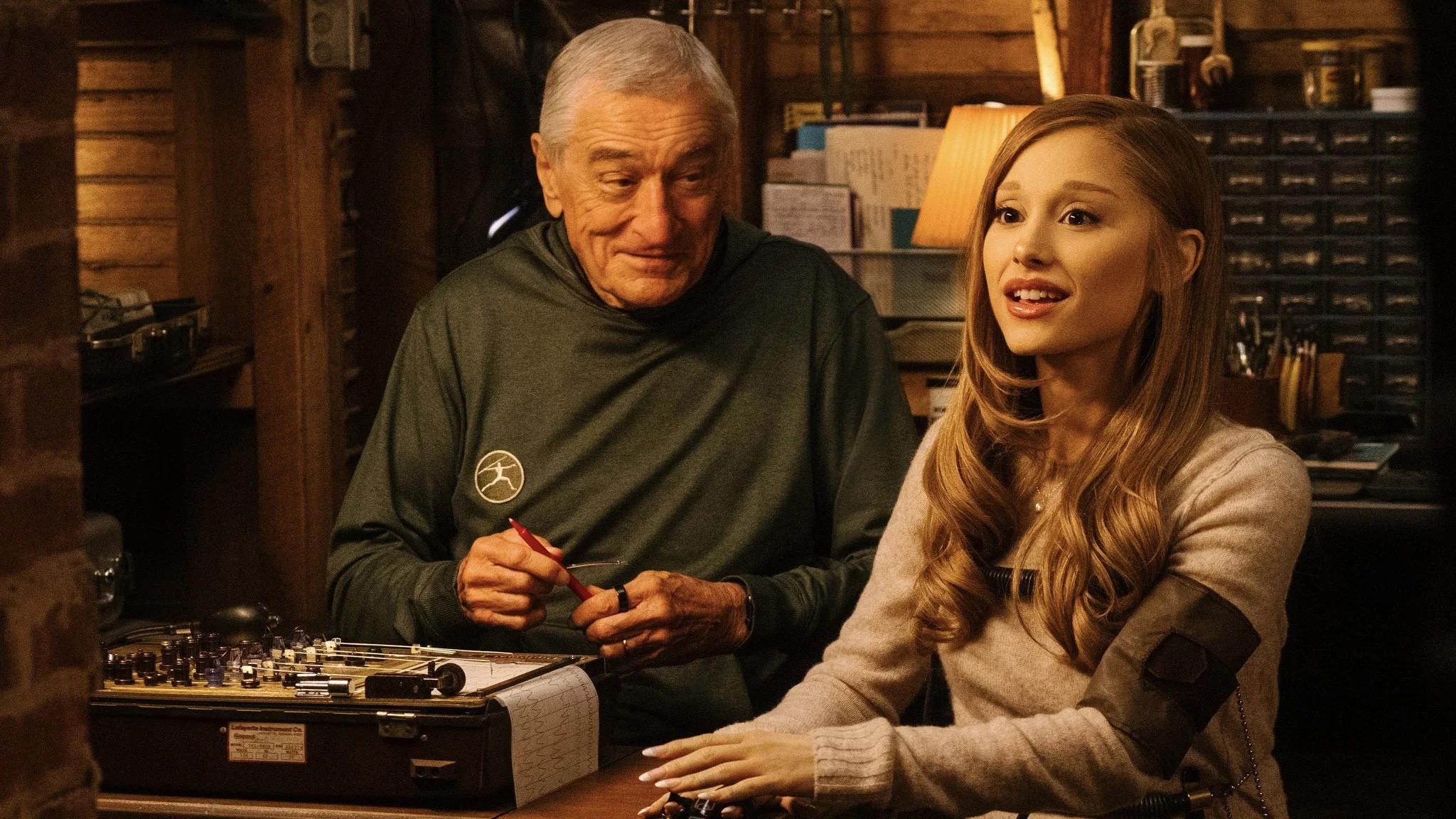
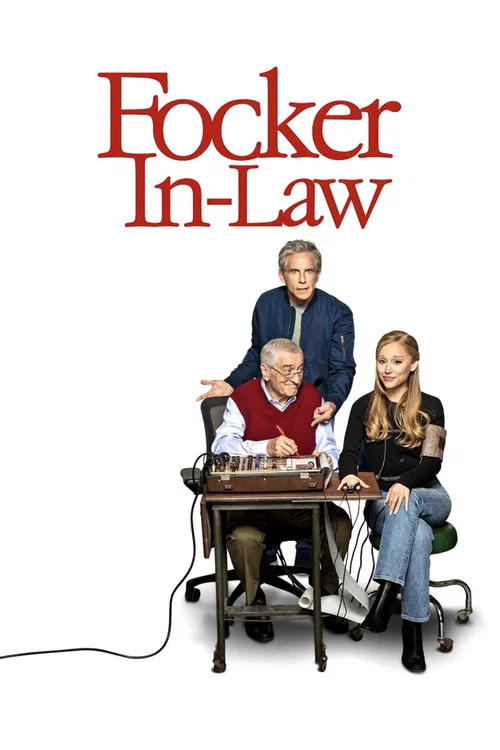
The premise gives the film a good reason to revisit these characters. Greg and Pam’s son Henry, now played by Skyler Gisondo, brings his girlfriend Olivia, played by Ariana Grande, into the family. Henry wants to propose, while Greg thinks he is rushing into it. Almost everyone seems taken with Olivia, including Robert De Niro’s Jack Byrnes, but Greg is struggling to get on board. Suddenly, the man who spent so long trying to win over his girlfriend’s father is the parent questioning someone else’s intentions.
That role reversal is easily one of the film’s strongest ideas. Stiller has spoken about the realisation that he had reached roughly the age De Niro was when they made the original film, and how that helped the premise make sense. The movie even works that comparison into a joke between Greg and Pam, which I thought was a clever touch. Enough time has passed for Greg to find himself on the other side of that relationship, and there is something very funny about watching him become the person he once struggled so much to impress.
Stiller gets that balance right. Greg has a different position in the family now, but he is still recognisably Greg, and Stiller jumps straight back into the awkwardness that makes him entertaining. My concerns about whether he could return to this kind of comedy disappeared pretty quickly. De Niro is just as sharp. There is still so much enjoyment in watching these two together, and neither performance feels as though it is simply relying on our affection for the earlier films.
The new cast helps as well. Gisondo is funny and feels like a good fit for Henry. We last saw Greg’s children when they were little, so having them return as adults gives the family a different dynamic to work with. Beanie Feldstein is very good as Henry’s twin sister Samantha, and Eduardo Franco brings some enjoyable comedy of his own. These additions fit comfortably alongside the returning cast and help give the film some fresh energy.
Grande is the addition I have the most to say about, because I really enjoyed her performance while having a slightly more complicated reaction to the character. Olivia is confident, quick and capable of holding her own against Greg. Grande delivers the dialogue convincingly, and I liked watching her play someone who can challenge him. She makes the material work and is a big part of why this new dynamic is entertaining.
At the same time, I found it harder to completely separate her from her public image. The performances I most associate with her are Cat in Victorious and Sam & Cat, and Glinda in Wicked. Those characters have very different personalities from Olivia, so seeing her in such a sharp, assured role took some adjusting to. Her enormous presence as a pop star also comes into it. Alongside Greg, Jack and Henry, there were moments where I was still very aware that I was watching Ariana Grande.
That is partly about the associations I brought into the cinema. Her delivery was convincing, and I enjoyed seeing her do something different. But being impressed by a performance and completely forgetting the person giving it are two slightly different things. I could appreciate what Grande was doing while still occasionally finding her celebrity more noticeable than the character.
The writing adds to that feeling. Olivia’s background as a former FBI hostage negotiator is part of what makes her such a formidable match for Greg. But between her training, her ability to read people and the amount of life experience the film gives her, I sometimes struggled to buy the character as a whole. It felt like a lot of expertise had been packed into someone so young. The issue for me was how conveniently all those qualities seemed to position her to handle whatever situation came next. Grande sells the individual moments, but the script occasionally asks a lot of her.
There is still plenty of clever writing elsewhere. John Hamburg, who co-wrote the previous three films, directs and writes the screenplay here. The generational shift gives him a strong foundation, and I enjoyed the story beyond simply waiting for the next joke. I was interested in these characters and how they were getting along, which makes a difference when so much of the comedy depends on their relationships.
The standout for me is a scene involving Stiller singing John Legend’s “All of Me”. The entire audience at my screening was laughing, and it is the moment I keep coming back to when I think about the film. It is ridiculous and uncomfortable in exactly the right way. Stiller’s commitment and the writing come together so well that the awkwardness becomes the funniest thing about it.
Where I had more trouble was with scenes that seemed to prolong a misunderstanding past the point where I believed it. An early encounter on a plane is the clearest example. Greg accidentally spills a drink into Olivia’s bag and tries to clean it up, only for her to catch him going through her belongings. It is an awkward situation, but I kept thinking that a clearer explanation, alongside the visible spill, should have settled things much sooner.
He does try to explain himself, but the exchange keeps escalating in a way that feels designed to preserve the joke. I found myself thinking about what I would have said in his position, or how a slightly different response could have ended the whole problem. Once I started doing that, I was less caught up in the scene. A comedy like this needs exaggeration, but there were a few moments where I could feel the characters being pushed into making a situation worse.
Your tolerance for that style of humour will probably shape how much you enjoy the film. It leans heavily on cringe, broad situations and occasional crass jokes. I enjoyed a lot of that, especially when the performances made the awkwardness feel believable. My frustration came when the situations became so forced that I stopped buying them. There is a difference between laughing at someone making a mess of things and wondering why they cannot just explain what happened.
The ending also leaves a fairly obvious opening for another instalment. You can see the potential next step for this family, so the direction it points towards is hardly a surprise. That predictability does not undo the enjoyment of getting there, although it does reinforce how comfortably the film stays within familiar territory.
Focker-In-Law surprised me. Stiller and De Niro still work brilliantly together, the new cast fits, and there are some very funny scenes. The contrived misunderstandings and Olivia’s overly convenient collection of skills kept me from enjoying it quite as much as I could have, but they never outweighed the laughs. If you enjoy this family and their particular brand of awkward comedy, there is plenty here to like. It is a charming, easy watch that reminded me how much fun Ben Stiller can be in a role like this.
7/10
Focker-In-Law opens in Australian cinemas on 26 November 2026.