Loading your next read…

Loading your next read…
Hexed has beautiful animation, an excellent soundtrack, an enjoyable lead and a few heartfelt moments between a mother and daughter.
All images and videos are owned by Disney
I went into Hexed knowing very little about it, and I really wanted to enjoy it. A Disney movie about witches, with a cast this good and a whole magical world to explore, had plenty of potential. There are parts of it I liked, and visually, there is a lot to appreciate. But I walked out disappointed. For all its magic, Hexed feels incredibly familiar, with a predictable story and a central conflict that never gives its characters enough to fight against.
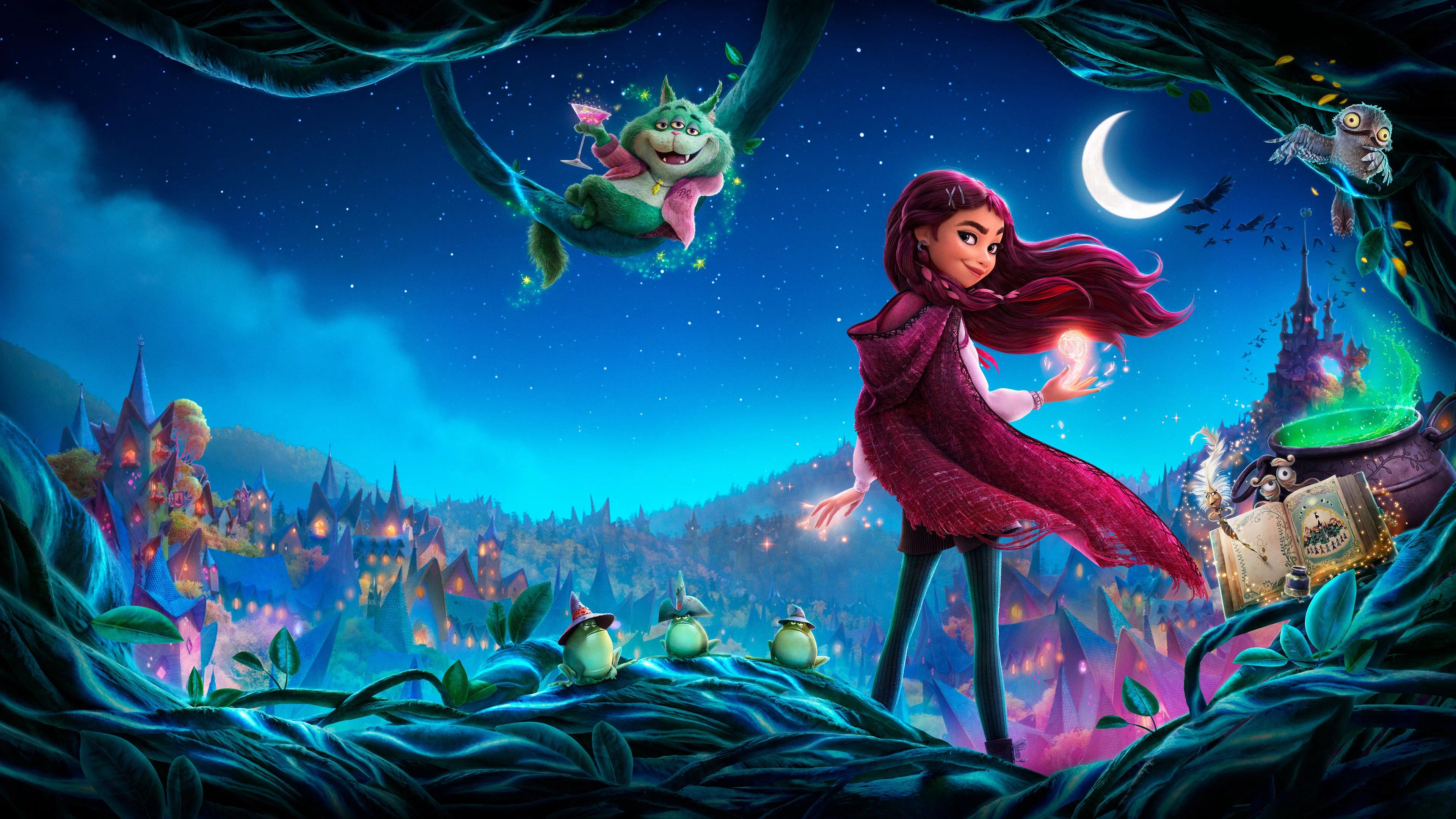
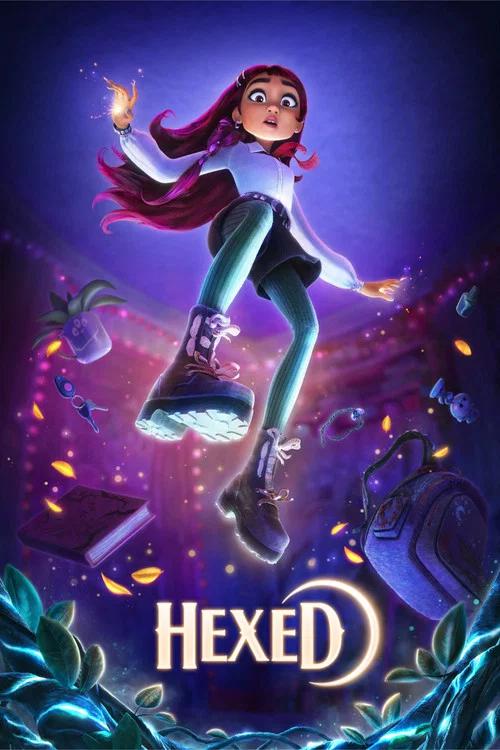
The film follows Billie Doe, voiced by Hailee Steinfeld, and her mother Alice, voiced by Rashida Jones, into the magical witch realm of Hexe. Billie’s ordinary life in Ohio gives way to discovering her powers, her mother’s secrets and a world she never knew existed. It is a promising setup for a family adventure.
The animation is easily one of its strongest qualities. It feels like this side of Disney’s filmmaking keeps getting better, and Hexed has some really cool visual details. I loved how the magic sparked and sparkled, the movement behind it and how naturally those effects fitted into the world. The crows were another highlight. There is plenty to enjoy just in watching how things look and move.
That said, beautiful animation does not automatically make every big moment feel special. Billie’s first arrival in Hexe is clearly supposed to be this huge, epic introduction. For me, it felt almost overwhelming, and the sense of wonder never quite landed. I could appreciate what was on screen without feeling the excitement the scene seemed to be building towards.
Billie herself is probably the best part of the film. She is an enjoyable character to follow, and her relationship with her mum gives the story its heart. The themes around family, understanding your parents and recognising what someone else has been through are among the things Hexed handles well.
There were probably two moments between them that actually got to me. Without spoiling those scenes, one allows Billie to understand more about her mother’s past and how she truly felt. Another reverses that perspective, allowing her mother to understand what Billie is experiencing. Those moments bring them closer in a way that feels meaningful. Some of the emotional story beats do work, even when the wider adventure struggles.
Steinfeld is a great actress, and her work in the Spider-Verse films has already shown how good she can be in a voice role. She is fine here, although I wanted a little more emotion from her in places. She certainly is not the weak link. Some of the other performances have an awkwardness that made me more aware of someone delivering lines in a recording booth. Overall, the acting is serviceable, but with this cast, I had hoped for more.
Walton Goggins is a welcome exception as the magical cat, Beef Roger Crummchuk. He is captivating, his scenes are enjoyable, and his comic relief gives the film a lift. Jodie Foster voices Queen Celeste, and I thought she was fine too, although her delivery sounded very close to her familiar speaking voice. I kept hearing Jodie Foster more than a distinct animated character.
Something else I kept noticing was how the character designs resembled particular actors. Alice looks quite a bit like Rashida Jones to me, while Billie reminded me much more of Zendaya than Steinfeld. The resemblance was strong enough that I wondered whether Zendaya had ever been considered, or whether the casting had changed after the design was established. That is purely speculation based on how the character looks, but it was a thought I kept having.
The soundtrack, though, is incredible. The song choices are comfortably among the best parts of the movie. There are recognisable tracks that I really enjoyed, and the choices felt well suited to the moments they accompanied. That side of the film stood out much more than I expected.
The sound effects were cool, although they did not leave the same impression. I wondered whether they were slightly underused, but that is more a reflection of how little they stood out to me than a firm criticism of the sound design. I remember enjoying the songs much more clearly.
The humour is mixed. Some of it is a bit cringey and clearly aimed at children, although I did get a few chuckles. There are also quite a few jokes aimed at adults that younger viewers would probably miss, so it does make an effort to give parents something to enjoy.
Pacing is mostly fine. There are slower stretches in the middle before things pick up again, but it rarely feels especially sharp or exciting. It gets through the story at a reasonably watchable pace. Like a lot of the film, it is just a bit average.
The familiarity becomes harder to ignore as it goes along. Snow White, Cinderella and Frozen all came to mind, along with just about every other magical adventure involving a young person and a powerful parental figure. At times, I felt like Barbie had probably already had her own version of this story. I kept anticipating developments before they happened, and the film did very little to surprise me.
It also feels sanitised. Yes, it is a kids’ movie, and I understand that. But a children’s film can still challenge its characters and give its themes some weight. Something like Shrek shows how much substance and personality family entertainment can have. Here, the threat never feels threatening enough.
Honestly, Hexed often feels like a Disney Channel movie that has been made for cinemas. There is nothing inherently wrong with that style, but I almost wish it had embraced that identity more fully. The scale of the presentation raises expectations that the story does not really meet.
Major spoilers for the ending below.
My biggest frustration is how the spell at the centre of the story works, because it undermines the entire conflict.
The film establishes that the witch who created Hexe died before completing a spell. A prophecy points towards a witch who can fly being able to finish it on a particular night, giving everyone flight and power. Queen Celeste, who is Billie’s grandmother, wants to complete it herself. She has stolen her daughter’s flying powers, and her motivation is built around wanting power for herself rather than sharing it with people she considers undeserving.
But as the film explained the spell to me, completing it would give everybody those abilities anyway.
That is where it lost me. If the grandmother succeeds, everyone still appears to receive the very thing she does not want them to have. If the heroes succeed, everyone receives it too. I could not see a meaningful difference between those outcomes. The film never made a harmful consequence of her completing the spell clear enough to make the struggle feel necessary.
It leaves the villain chasing something that seems to work against her own goal. Why is she so desperate to complete a spell that will apparently share the power she wants to keep? Why should I fear her winning if the result still looks like everyone getting flight and a happy ending?
For me, that takes the stakes out of the climax. The characters can struggle, the grandmother can threaten them, and the movie can build towards a confrontation, but the outcome appears to remain the same. She ends up feeling evil because the story needs someone to be evil, without a convincing connection between her intentions and what her victory would actually mean.
I think more history and nuance around the spell could have made a huge difference. My instinct would have been to build its origin around two sisters, one good and one evil. Perhaps the evil sister killed the good one before they could complete it, leaving the spell unfinished.
From there, completing it through the evil sister’s teachings could harm people or transform them into something, while finding and following the good sister’s version could bring the positive outcome. That would give the grandmother a dangerous path to pursue and the heroes something specific to prevent.
The difference in consequences is what matters. If the villain wins, something goes wrong. If Billie and her mum succeed, they protect people and earn that happy ending. As it stands, I never felt the film properly established why the same spell would produce anything other than a positive result, regardless of who performed it.
I do recognise that I am outside the main audience for this. I can see kids, roughly six to fourteen, enjoying the colourful world, the magic and the characters. It is engaging enough to switch your brain off and watch, and younger viewers will probably have a good time. Looking closely at how the story works, though, exposes quite a few problems.
For families wanting to make a day out of going to the cinema, there is enjoyment here. If you are around my age and watching without kids, I would wait for streaming.
Hexed has beautiful animation, an excellent soundtrack, an enjoyable lead and a few heartfelt moments between a mother and daughter. Those strengths keep it watchable. But the familiar storytelling, uneven performances and lack of convincing stakes leave it feeling like a missed opportunity.
A visual spectacle that kids will enjoy is probably the most positive way I could describe it. For me, it lands at a perfect five: pretty, entertaining in places and frustratingly average.
Rating: 5/10